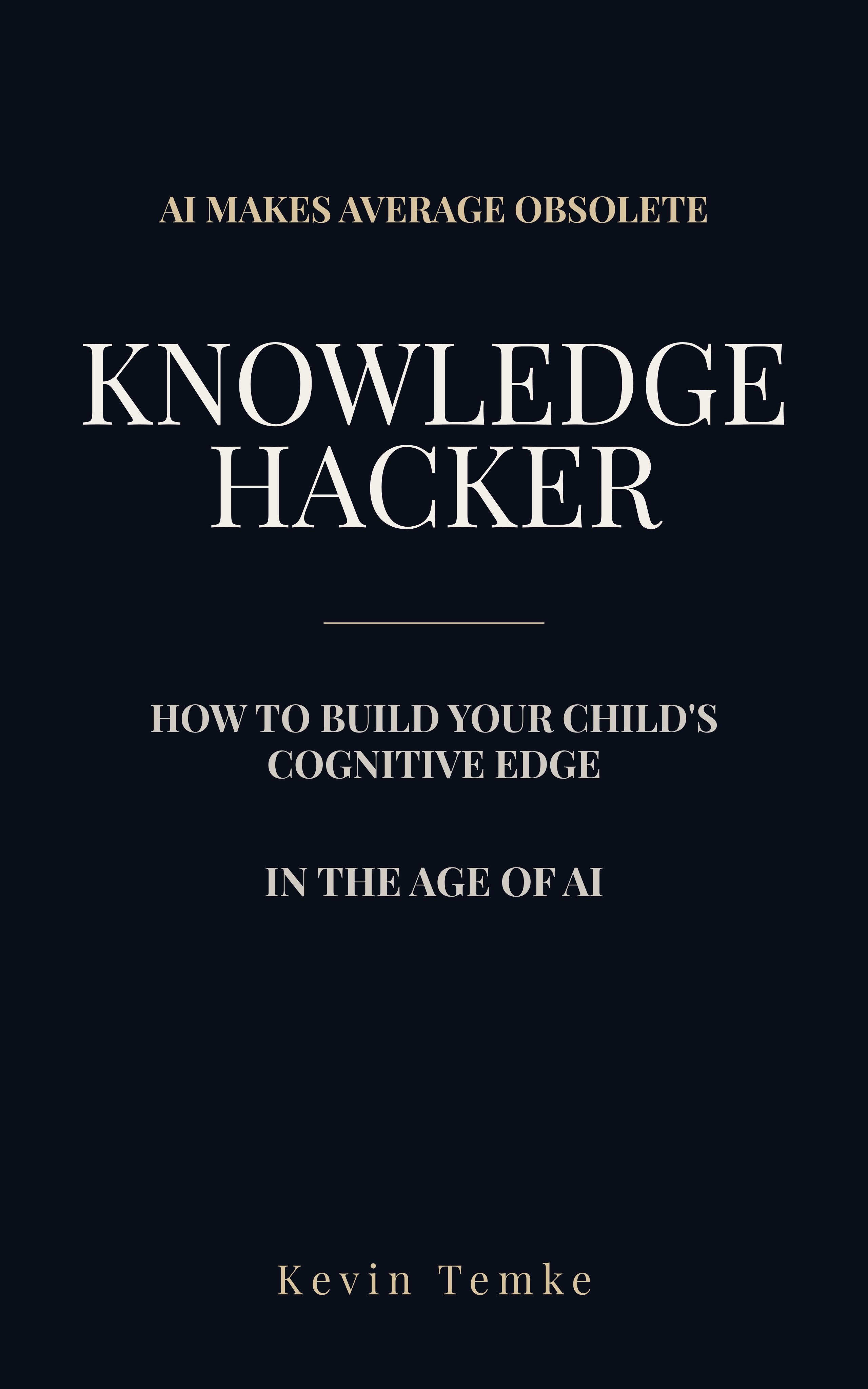
For a generation, the path was clear: earn credentials, secure employment, build a career. That contract is now structurally broken. AI can produce average-competency outputs across a remarkable range of tasks without the underlying expertise those outputs once required. When AI raises the floor of what anyone can produce, it raises the bar for what constitutes genuine value. Average competence isn't just less valuable — it's been commoditised to the cost of a $20/month subscription.
The economic consequences are non-linear. Domain experts operating with AI tools don't just become more productive — they operate with a force multiplier that eliminates entire layers of support staff beneath them. Tasks once delegated to junior colleagues — research, summarisation, drafting, first-pass analysis — are now executable in minutes. The returns that once spread across a competence hierarchy now concentrate at the top.
This isn't cause for despair. It's cause for a fundamental reorientation in how parents think about preparing children for the future. The child who arrives at adulthood dependent on structured tasks and incremental instruction is entering a market that no longer has a reliable place for them. The child who can direct their own learning, identify what they need to know, and apply it without hand-holding — that child is exactly what the restructured economy demands.
What this means for your child: Building the capacity to self-educate has never been more directly and immediately consequential. It's not preparation for one career. It's preparation for every field, under any conditions, in a world where required skills will continue to change faster than any institution can track.
Raising a Knowledge Hacker explores exactly how to build this capacity — from the ground up, at home.
Enjoyed this? Get more in your inbox.
Weekly insights — no filler.